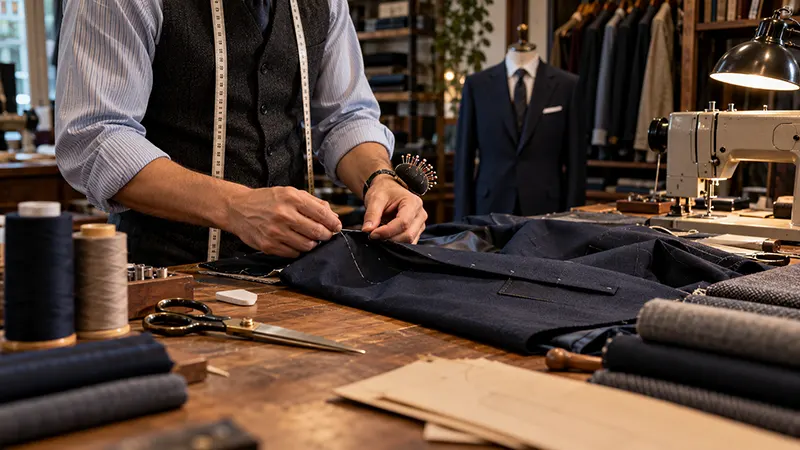
Great clothing alterations are about more than simply shortening a hem or taking in a waist.
Professional alterations require careful observation, knowledge of garment construction, experience with different fabrics, and an understanding of how clothing should fit and move.
At Hun’s Tailors in Irving, TX, each garment is evaluated individually so the adjustment can improve fit, comfort, and appearance while preserving the original design as much as possible.
It Starts with Understanding the Garment
Before making an alteration, it is important to understand how the garment was originally constructed.
A pair of pants may have a specific hem finish, waistband construction, lining, or seam allowance. A dress may include a zipper, lining, multiple layers, lace, or delicate fabric. Jackets may include vents, pockets, lining, and structured seams.
Because one adjustment can sometimes affect another area, professional alterations begin with looking at the garment as a whole.
A Good Fitting Is About More Than Measurements
Measurements are important, but they are only one part of a proper fitting.
Two people with similar measurements may still need different adjustments because of posture, body proportions, the way the garment is cut, or personal preference.
During a fitting, an alteration specialist may look at details such as:
- Whether pants fall cleanly over the shoes
- Whether sleeves are the right length
- Whether a waistband sits comfortably
- Whether a dress pulls or gaps in certain areas
- Whether the garment allows comfortable movement
These details help determine which changes will create the most natural result.
Small Adjustments Can Make a Noticeable Difference
Not every garment needs a major alteration.
Sometimes a small change to the hem, waist, sleeve, side seam, or pant leg can make clothing look cleaner and feel more comfortable.
The key is knowing how much to adjust.
Taking in too much fabric can create pulling or restrict movement. Leaving too much fabric can make clothing appear loose or unbalanced.
An experienced alteration specialist works toward a fit that looks natural rather than simply making clothing tighter.
Different Fabrics Require Different Techniques
Denim, wool, cotton, linen, silk, stretch fabrics, lace, and synthetic materials do not all respond the same way to alterations.
The thickness, stretch, drape, pattern, and construction of the fabric can affect how a garment should be adjusted.
For example, jeans may require a different hemming method from dress pants, while delicate formalwear may need extra care around lining, lace, or decorative details.
Understanding how the fabric behaves helps create a cleaner and more durable result.
The Original Look of the Garment Should Be Preserved
One sign of a well-done alteration is that the adjustment blends naturally with the original garment.
Seams should look clean, hems should appear balanced, and details such as lining, pockets, buttons, and stitching should remain consistent whenever possible.
The goal is to improve the fit without making the alteration look obvious.
Comfort Matters as Much as Appearance
Clothing should not only look better after an alteration. It should also feel comfortable during normal movement.
Pants should allow you to sit and walk comfortably. A jacket should not pull when you move your arms. A dress should fit securely without feeling unnecessarily restrictive.
Professional alterations aim to improve shape and proportion while still allowing the garment to function comfortably.
Finishing Details Show the Quality of the Work
Many of the details that make an alteration look professional are small.
These may include:
- Clean and even stitching
- Properly finished seams
- Matching thread
- Balanced hems
- Secure buttons and closures
- Smooth lining
- Careful pressing
These finishing touches help the altered area blend into the rest of the garment and can also improve durability.
Good Communication Helps Create a Better Fit
Every customer has different preferences when it comes to fit.
Some people prefer a slimmer look, while others want more room for comfort. Some want pants to sit close to the shoe, while others prefer a more traditional break.
Explaining how you plan to wear the garment and what feels uncomfortable can help the alteration specialist recommend the right adjustment.
Experience Also Means Knowing What Can—and Cannot—Be Changed
Not every alteration is practical for every garment.
Some clothing has limited seam allowance, delicate construction, decorative details, or design features that make certain adjustments difficult.
An experienced alteration specialist evaluates what can realistically be changed while protecting the garment’s overall appearance and condition.
In some cases, a smaller and more targeted adjustment may produce a better result than trying to completely reshape the garment.
Professional Clothing Alterations in Irving, TX
Quality clothing alterations combine skill, precision, fabric knowledge, and careful attention to fit.
At Hun’s Tailors, we provide professional clothing alterations in Irving, TX for pants, jackets, shirts, dresses, formalwear, uniforms, and many other garments.
Each item is evaluated individually so the recommended adjustment can improve the fit while respecting the garment’s original construction and style.
If you have clothing that does not fit quite the way you want, the right alteration may be all it needs.
Hun’s Tailors
Professional Clothing Alterations in Irving, TX